
Exploring the hidden motivations behind gambling behavior in casinos
The Psychology of Gambling
Gambling is not merely a game of chance; it is deeply rooted in human psychology. Many people enter casinos driven by excitement, a desire for social interaction, or the allure of potential wealth. This thrill-seeking behavior often stems from an innate urge to escape from everyday routines and challenges, propelling individuals into the vibrant, chaotic atmosphere of a casino. For those interested, starting with no kyc online casino options can be an intriguing way to experience the excitement.

The brain’s reward system plays a significant role in gambling behavior. When a player wins, the brain releases dopamine, a neurotransmitter associated with pleasure. This chemical reaction can create a cycle of seeking out the high that comes with winning, often leading to increased betting and prolonged play, despite the inherent risks involved.
The Role of Environment and Design
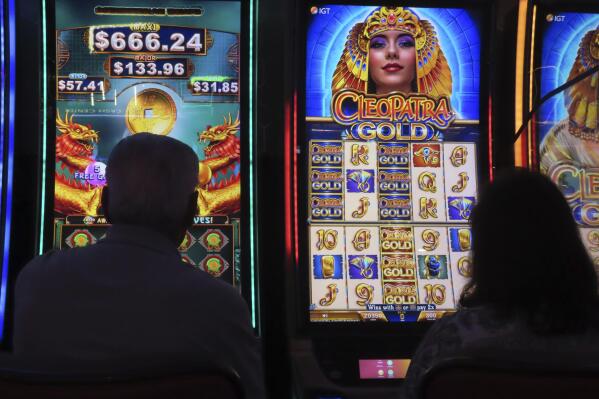
The physical layout and design of casinos are meticulously crafted to enhance the gambling experience. From the moment a visitor steps inside, they are enveloped in a sensory-rich environment filled with vibrant colors, sounds of jingling coins, and the smell of enticing food. Such elements are intentionally designed to stimulate excitement and keep players engaged.
Furthermore, casinos often lack natural light and have no clocks, disorienting players and encouraging them to lose track of time. This controlled environment can amplify the desire to keep playing, reinforcing the hidden motivations behind gambling as people become immersed in the experience, often at the expense of their awareness of time and money spent.
Social Influences on Gambling Behavior
The social context of gambling also significantly affects behavior. Many individuals gamble in groups, viewing it as a recreational activity where they can bond with friends or meet new people. The communal atmosphere fosters a sense of belonging, enticing individuals to participate even if they might not gamble alone.
Peer influence can further exacerbate gambling behaviors. When individuals see others winning or experiencing thrill, they may feel compelled to join in, believing they too can achieve similar outcomes. This social aspect often masks the underlying motivations for gambling, making it appear as a fun and harmless pastime rather than a potential source of addiction.
The Impact of Marketing Strategies
Marketing strategies employed by casinos play a critical role in shaping gambling behavior. Promotional offers, loyalty programs, and enticing advertisements are designed to attract new customers and retain existing ones. These marketing tactics create a sense of urgency and excitement, encouraging individuals to engage in gambling activities.
Casinos also utilize behavioral psychology in their marketing, employing techniques that emphasize rewards and discounts to build loyalty among players. The result is a compelling environment that perpetuates gambling behaviors, often leading to higher spending as players seek to take advantage of these offers.
Discovering More About Gambling Behavior
To delve deeper into the intricacies of gambling behavior and its motivations, understanding the psychological, social, and environmental factors is crucial. Resources and platforms dedicated to exploring these themes offer valuable insights, helping individuals recognize their motivations and make informed choices.
By visiting specialized websites focused on gambling behavior, you can uncover extensive information about the nuances of gambling. Whether you are a beginner or looking to deepen your understanding, these resources aim to provide clarity and knowledge, promoting healthier interactions with gambling environments.