
It’s also essential to seek treatment from a physician, as they possess the specialized knowledge to determine the best course of action. Regular monitoring and an adherence to treatment plans can speed up recovery times and ensure a better quality of life. Alcoholic neuropathy presents with considerable morbidity and is a potentially life-threatening condition that can be managed.
Urinary and Bowel Symptoms
Alcoholic neuropathy is a condition in which drinking too much alcohol causes damage to nerve tissue. The single most important step is to stop drinking alcohol immediately. While not specifically approved for the treatment of alcoholic neuropathy, antidepressant medications are often prescribed to help control the pain. Anti-seizure medications are sometimes prescribed as a way to manage pain. Constant pain in the hands or feet is one of the most bothersome aspects of alcoholic neuropathy. As the condition progresses, the pain may vary in intensity, sometimes diminishing for months before worsening again.
Diagnosis
- Regular follow-up allows monitoring of progression and adjustment of treatment as needed.
- The most important thing alcoholic patients can do to manage this condition is to quit alcohol and practice long-term alcohol abstinence.
- Small fiber neuropathy generally has an excellent prognosis and does not affect life expectancy, though it can significantly impact quality of life through chronic pain.
- However, studies suggest that up to 66% of individuals with chronic alcohol use disorder may suffer from some form of the disease.
For complex or evolving cases, ongoing specialty care makes a significant difference. Many causes of neuropathy are treatable, and early intervention often leads to better outcomes. A comprehensive neurological evaluation is the first step in getting an accurate diagnosis and a skin biopsy for small fiber neuropathy may be needed. Our integrative approach focuses on restoring intercellular communication, enhancing blood flow, and creating an environment where the nervous system can function more optimally — naturally and non-invasively.
Treatment Options for Alcoholic Neuropathy (Alcohol-related Nerve Damage)
- As it progresses, it transforms into a discordant symphony of sensations, sharp, shooting pains akin to needles pricking the skin, coupled with an unsettling burning sensation that seems to intensify over time.
- Alcohol-related neuropathy is a condition caused by consuming large amounts of alcohol over a long period.
- Avoiding alcoholic beverages is crucial for managing and preventing further neuropathy progression.
- These physical symptoms, combined with the psychological impact of chronic pain and mobility issues, can lead to depression, anxiety, and social withdrawal, further diminishing life quality.
It’s also beneficial to replace nutrients such as thiamine, vitamin-B12, and folic acid that may be lacking. Initially, they may be barely noticeable but can progress to more severe and disabling conditions if alcohol consumption continues. Alcoholic neuropathy damages the nerves due to prolonged and excessive alcohol consumption. This damage prevents the nerves from communicating information from one body area to another. However, people with alcoholic neuropathy can make healthy changes to minimize symptoms and receive help for chronic alcohol use.
The 6 Stages of Mental Health Recovery
- Changes in muscle strength or sensation usually occur on both sides of the body and are more common in the legs than in the arms.
- Healthcare providers often recommend vitamin supplements and physical therapy to improve muscle strength and coordination.
- Our thorough evaluation process helps identify treatable causes and creates a personalized management plan for your specific situation.
- It also causes individuals to lose sensitivity to pain or heat, and they might feel a tingling in their limbs or weakness in their muscles.
- I was not sure about it first but I went ahead and started the treatment from them anyways and so far it’s been a dream.
However, severe alcohol-related neuropathy may cause permanent nerve damage. The exact causes of alcohol-related neuropathy aren’t fully understood. However, researchers have found that consuming too much alcohol for long periods of time can damage the peripheral nerves.
How Does Alcohol Affect the Body?
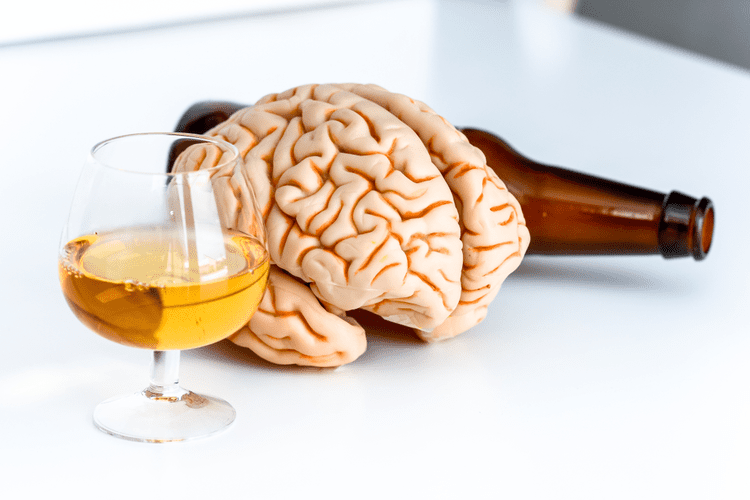
In addition to seizures, chronic alcohol use can lead to alcoholic neuropathy—a type of nerve damage that causes pain, numbness, and weakness, particularly in the hands and feet. While symptoms can be debilitating, alcoholic neuropathy recovery is possible with sustained sobriety, nutritional support, and medical treatment. The sooner an individual seeks medical support, the greater the likelihood of regaining as much nerve function as possible.
Our detox program provides 24/7 medical supervision to manage withdrawal symptoms and prevent complications. Alcoholism, now called alcohol use disorder (AUD), is a condition in which you have difficulty stopping or managing your alcohol intake despite experiencing negative consequences. Pain, tingling, muscle weakness, and a loss of coordination, particularly in the hands and feet. The condition can also lead to digestive issues, urinary problems, and even difficulty walking.
Excessive alcohol consumption can lead alcohol neuropathy stages to numerous health problems, with one of the most significant being alcoholic neuropathy. This condition, caused by prolonged alcohol use, leads to nerve damage that affects movement, sensation, and overall nerve function. End-stage alcoholism is a life-threatening condition that requires immediate medical attention and compassionate care. Recognizing the symptoms and seeking professional help can make all the difference in improving quality of life and potentially reversing some of the damage caused by chronic alcohol abuse.
Superficial sensation, especially nociception, was predominantly impaired and painful symptoms were the primary complaint in most patients in this group. The histologic features of sural nerve biopsy specimens demonstrated small fibre predominant axonal loss as characteristic of the pure form of alcoholic neuropathy. The prognosis for alcoholic neuropathy depends on various factors, including the extent of nerve damage and the individual’s commitment to avoiding alcohol and adhering to treatment plans. Some individuals may experience significant improvement in symptoms within weeks to months, especially with early intervention and consistent treatment. However, for others, especially those with severe or long-standing neuropathy, some symptoms may persist indefinitely. Long-term management focuses on symptom relief, preventing further nerve damage, and maintaining a healthy lifestyle Alcoholics Anonymous to support nerve function.
Our therapies are designed to support the nervous system holistically, using FDA-cleared technologies. At Virtue Recovery Center, we’re here to help you every step of the way. Our dedicated team of professionals is committed to providing the compassionate care and expert guidance you need to start your journey to recovery. Contact us today, and let’s work together to create a brighter, healthier future for you.
Symptoms of alcohol neuropathy include altered sensations like numbness or tingling, pain, muscle weakness, changes in reflexes, and occasionally, issues with automatic bodily functions. We Level Up TX is a renowned treatment center that applies evidence-based treatment modalities along with holistic programs to improve client recovery outcomes. Combining traditional elements of SUD treatment, including supervised medical recovery coupled with intensive behavioral rehab. Offering cutting-edge advanced therapies, We Level Up is an accredited dual diagnosis mental health care provider. We provide a world-class comprehensive continuum of care through each stage of the treatment process. Our top-notch doctors, therapists, and counselors leverage the power of science to help clients succeed in rehab recovery.