
Additionally, no set amount of alcohol causes FAS or other FASDs in every case. The volume of alcohol a person consumes has a significant effect on the risk, but other factors can also play a role. It is difficult to estimate how common FAS and other FASDs are, as the symptoms can be similar to those of other conditions. Additionally, because of stigma, some people may not disclose drinking during pregnancy. The earlier a person can stop, the better it is for them and for the fetus. People who are nursing can speak with a healthcare professional about how much alcohol is safe to drink.
How much drinking causes fetal alcohol syndrome?
- Since there is no known safe level of alcohol for a developing foetus, the safest approach is to avoid it.
- When you drink, the alcohol moves from your blood into your breastmilk.
- Additionally, children with FAS may often have trouble mixing socially in school or similar settings.
- If you drink more than one standard drink, your body will take longer to metabolize the alcohol.
Men face similar challenges because alcohol consumption reduces sperm count and motility and impairs sexual function. Babies born to mothers using street drugs are often born too early and are smaller. They also tend to have behavioral problems, such as hyperactivity.
- If it is hard for you to stop drinking, talk with your healthcare provider about getting help.
- Any form of alcohol consumption may impact our ability to get, and stay, pregnant.
- Sunshine Behavioral Health strives to help people who are facing substance abuse, addiction, mental health disorders, or a combination of these conditions.
- Additionally, no set amount of alcohol causes FAS or other FASDs in every case.
- But less severe effects, such as behaviour or learning problems, may not be noticed until the child is in school.
Health Care Providers
Many mothers believe pumping and dumping removes all the alcohol from their bodies quickly. Actually, pumping removes milk already containing some level of alcohol but does not accelerate elimination from your bloodstream. Only time allows your body to metabolize and clear the substance fully. If a person has consumed alcohol during pregnancy, they should speak with a doctor about their concerns. This applies no matter what stage of the pregnancy they are in or how much alcohol they have consumed. Weeks may pass before they realize they are pregnant, and they may drink alcohol during this time without knowing the risk.
Poison control
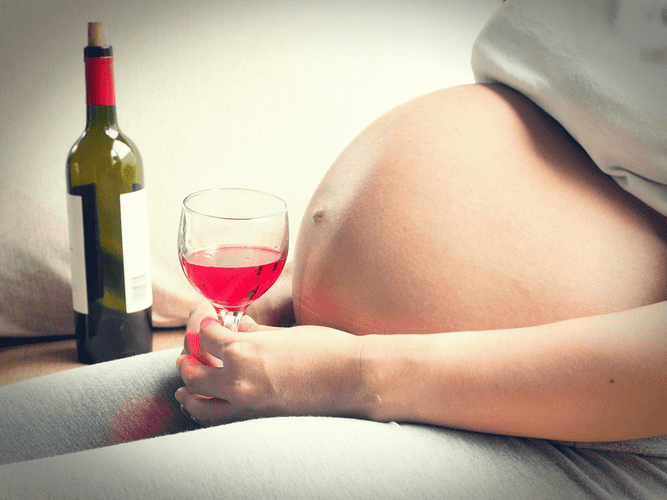
Although having a couple of drinks before you knew you were pregnant isn’t ideal, it’s not uncommon. Realizing you drank alcohol before knowing you’re pregnant can be worrying. After all, there is no known safe amount of alcohol during pregnancy, according to the Centers for Disease Control and Prevention (CDC).
Resources and support
That doesn’t just mean woozy; it means slow heart rate and slow breathing and possibly even coma. Another issue with all hand sanitizers is that they can be irritating to the stomach, causing nausea or vomiting if swallowed. A study of 1221 men in Denmark found that sperm quality decreased in men who reported drinking more than 5 units (around 3 small beers) of alcohol a week.
Her mother called Poison Control, concerned that the girl might have swallowed some. The girl didn’t remove the pump attachment and had only about a minute can you kill a baby if you drink alcohol to swallow anything. Poison Control reviewed the concerns with alcohol ingestion in small children but reassured the mother that the small amount the girl might have swallowed would not poison her.
If You Are Breastfeeding- Can You Drink Alcohol? Final Thoughts
These disorders can cause lifelong physical, behavioral, and learning problems. Pregnancy is a time filled with excitement, anticipation, and a multitude of changes. Alongside the joy of expecting a new life comes the responsibility of ensuring that both the mother and the baby remain healthy. One of the most critical aspects of this responsibility involves understanding how certain substances, particularly alcohol, can affect fetal development. ” is not just a matter of concern; it’s a pressing issue that requires thorough exploration. Women who are pregnant or breastfeeding should be sure to seek help with an alcohol problem if needed in order to protect both themselves and their infants.
Need health advice?
Fetal alcohol syndrome (FAS) is the most severe form of alcohol-related neurodevelopmental disorders. It’s characterized by distinctive facial abnormalities, growth deficiencies, and central nervous system problems, including cognitive impairment. These birth defects occur when alcohol consumed during pregnancy crosses the placenta and disrupts normal fetal development. Blood Alcohol Concentration (BAC) measures how much alcohol is in a person’s bloodstream. For pregnant women, even low levels of alcohol can pose risks to fetal health.
- Giving a child that already has this genetic predisposition a sip of beer can set them up for failure later on in life.
- Friends, family members, and even doctors might make it seem like it’s not that big of a deal.
- Healthwise, Incorporated disclaims any warranty or liability for your use of this information.
Some experts think that some learning difficulties and memory problems in children may be due to their mums drinking alcohol during their last trimester (RCM 2010). This is when your baby is growing more, and his brain is developing (BMA 2007). If you binge drink, you’re at more risk of having a baby with FAS than if you drink the same amount over a longer period (BMA 2007). Health experts do not know of a set amount of drinking that causes fetal alcohol syndrome (FAS). Several factors influence the risk, including how much a person drinks and their overall health status, environment, and genetics.

And, you should not be near marijuana smoke that other people are smoking. FASDs are always caused by drinking alcohol during pregnancy. So to prevent FASDs, don’t drink alcohol when you’re pregnant. Having more than one drink per day is not recommended while breastfeeding. Be sure to talk to your healthcare provider about all your breastfeeding questions. The most severe form of FASD is Fetal Alcohol Syndrome (FAS).
This article will delve into the potential risks of alcohol consumption during pregnancy, specifically exploring the effects on the baby and whether alcohol can actually kill a baby. Researchers don’t know for sure what a few drinks over a short period early in pregnancy can do to a developing child (BMA 2007). That’s why the experts agree that once you’ve started trying for a baby or know you’re pregnant, it’s best to stop drinking alcohol. The key concern is that infants metabolize alcohol much more slowly than adults. Their developing liver enzymes are immature, which drug addiction treatment means even small amounts of alcohol can accumulate and potentially affect their development.